
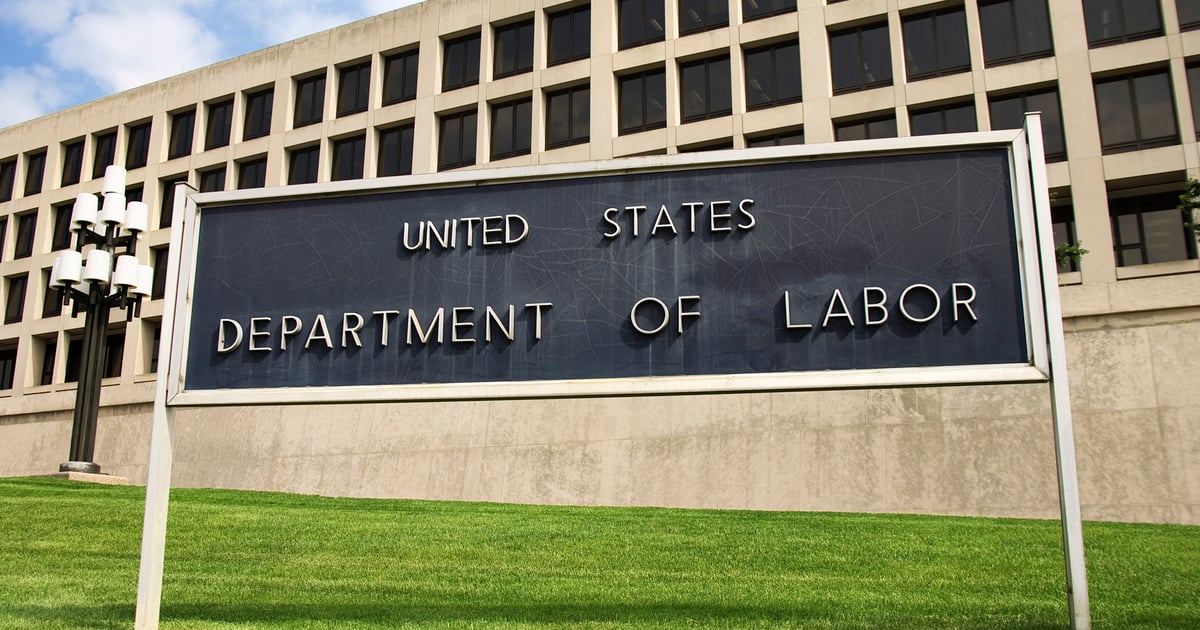
DOL Rule Expands 401(k) Access to Alternative Assets
The Department of Labor’s new rule governing the use of alternative assets in 401(k) accounts will make it far easier for private equity, private credit, real estate and cryptocurrency to appear in employees’ retirement accounts.
The DOL’s new rule follows President Donald Trump’s executive order last August, which ordered the department to re-evaluate guidance on alternative asset investments in retirement plans under the Employee Retirement Income Security Act.
The proposed rule lays out the steps 401(k) plan managers should take when considering alternative assets for their lineups and sets forth several “safe harbors” for plan fiduciaries to avoid litigation.
401(k) plan providers are technically already allowed to include alts, but many have shied away from doing so, wary of running afoul of fiduciary duties to clients and of opening themselves up to potentially costly class-action lawsuits.
Asset managers like Blackstone and KKR are eager to tap into the approximately $13.8 trillion 401(k) opportunity, after institutional investors’ appetite for alts slowed.
In recent months, Apollo Global Management CEO Mark Rowan has spoken about developing products for 401(k)s, while Empower, the country’s second-largest workplace retirement plan provider, unveiled a partnership with investment fund managers and custodians last year to offer alts through collective investment trusts.
Trump first broached the subject with an executive order during his first term, which the Biden administration rescinded. Last year, the DOL rescinded a Biden-era order discouraging the use of crypto in defined-contribution plans.
According to Labor Secretary Lori Chavez-DeRemer, the rule would “deliver on President Trump’s promise for a new golden age.”
“This proposed rule will show how plans can consider products that better reflect the investment landscape as it exists today,” she said. “This greater diversity will drive innovation and result in a major win for American workers, retirees and their families.”
The proposed rule’s release comes amid months of disruption in the private credit market, with funds managed by firms like BlackRock, Blackstone, Blue Owl and Morgan Stanley facing surging investor redemption requests, leading them to cap withdrawal amounts.
However, the private credit jitters aren’t stilling alts advocates’ support for the DOL’s proposal, with the safe harbor request long-sought by those pushing for more private market opportunities within workers’ retirement accounts.
According to the Institute for Portfolio Alternatives President Anya Coverman, 401(k) plans need access to the same diversification tools used by institutional investors.
“The proposal’s safe harbor framework correctly emphasizes fiduciary process,” she said. “Fiducaries who are diligent should not be second-guessed by government officials or courts.”
However, the rule received fierce pushback from investor protection advocates, including Americans for Financial Reform. Senior Policy Analyst Oscar Valdés Viera called the proposal “a dangerous rule,” steering workers’ retirement savings into “risky, opaque, high-fee” investments.
“The private equity industry is eager to dump overvalued assets onto retirement savers as well-heeled investors snub these dubious assets and head for the exits,” he said. “Opening 401(k)s to these products risks turning workers’ retirement savings into a Ponzi-like scheme that throws a lifeline to an industry scrambling for fresh cash.”
Bonnie Treichel, founder and chief solutions officer at Endeavor Retirement, said the rule “paves the way for more alternatives [in retirement plans], but I don’t think it will happen overnight.”
Treichel pointed to numerous industry surveys showing a wide range of interest among plan sponsors in adding private investments to retirement plans, but no definitive proof that they are clamoring for the investment options.
She also noted that plan sponsors, particularly in the small and mid-size plan range, “still have a lot of administrative aspects on their plates from SECURE 2.0 (think: Roth Catch up provision and paper statement requirements) and, therefore … most advisor adoption [of alternatives] won’t pick up until there is more plan sponsor and participant demand.”
The first movers, she said, will likely come from advisors who serve as 3(38)s for their clients’ plans, meaning they have full discretionary investment authority, and who build their own custom programs around managed accounts or other custom models.
After the proposed rule is published in the Federal Register, it will be open for public comment, a process that typically takes about 60 days. Then, the department may revise the rule based on those comments and submit it to the White House for final review.