
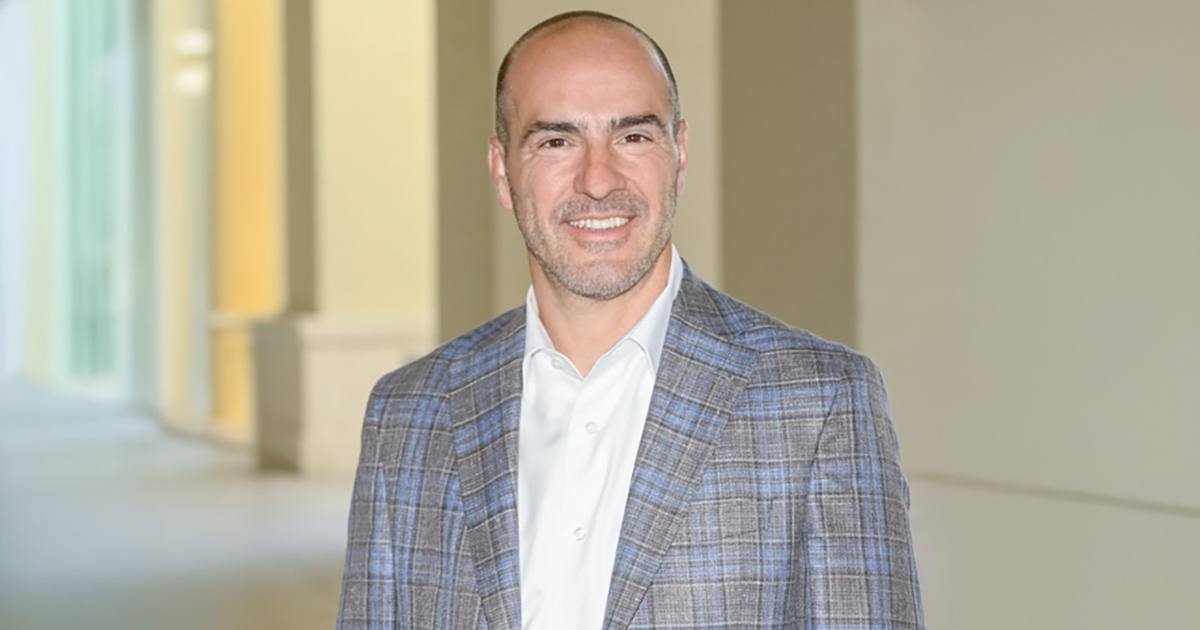
Grantd Launches Equity Compensation Advice Platform
AI startup Grantd, which recently acquired the venerable Excel-based StockOpter equity compensation planning tool, has launched its equity compensation advice platform, aimed at helping advisors manage clients equity compensation, such as stock options, RSUs, ISOs and ESPPs.
Equity compensation represents a $4 trillion market across public and private companies, Grantd stated.
“Within the industry, we’ve found that there’s always been a gap in terms of helping financial advisors manage equity compensation, which is the largest held-away asset hiding in plain sight in advisor practices,” said Brian McDonald, founder and CEO of Grantd. “But the tool set out there hasn’t been really robust enough to help them build strategies and confidence with their clients on these sometimes complicated equity award instruments.”
Historically, advisors have primarily managed these assets in Excel spreadsheets.
McDonald launched Grantd earlier this year to address this gap in the marketplace, one he’d witnessed firsthand over his career in this business. Prior to starting Grantd, he spent 7 1/2 years at Morgan Stanley, building out the Morgan Stanley at Work business. Before that, he spent nearly 25 years at Schwab, where he led the stock plan and other workplace businesses.
“The friction that we’ve seen in the space is what motivated us to build it,” McDonald said. “Our mission is to elevate the conversation between the companies who issue stock, who are doing it to attract and retain talent to the individuals who are receiving the equity comp that are the award recipients, and then the advisors who serve them. If we can bring those three together in an elevated conversation, we think it leads to better financial outcomes for the industry.”
This follows Grantd’s acquisition in June of StockOpter, an equity compensation planning tool dating back to 1999. With that deal, Grantd inherits a client base of more than 400 registered investment advisors and seven to 10 enterprises that use that platform. It also gained StockOpter’s knowledge base, its tax engine and a few other algorithms that they built out.
But Grantd’s platform was built on an all-new code base from the ground up. It does take StockOpter’s tax engine, as well as some proprietary algorithms on order of priority for exercise and sell.
With the new platform, advisors will be able to work with their clients to ingest their statements from major record keepers like Fidelity or Schwab using an AI statement reader, automating that front-end experience. It will pull those holdings into the platform and deliver insights on exercise priority based on those holdings.
The system also allows the advisor to model the concentration risk of those holdings and consider how to mitigate that risk. They can also build a tax model that will forecast the tax implications of any trading strategy five years out. There are also reporting and alert features that help clients stay connected to the strategies they have in place.
The platform works for both public and private companies.
In September, Grantd raised $5 million in seed funding, led by Edward Jones Ventures, Dynasty Financial Partners and TIFIN Studios, the incubation arm of TIFIN.
As part of Dynasty’s investment, McDonald came on board as a strategic advisor, bringing his expertise in the workplace space. He’s in talks with Dynasty now on the best way to roll out Grantd to its partner firms, and he’s in similar discussions with Edward Jones.
For RIAs, Grantd’s core platform starts at $1,200 a year. For those who want the tax engine and other strategy tools, they’ll pay $4,800 a year. There are some price points above that for larger firms looking for a more customized pricing model, depending on the tools they need.
Grantd will also roll out a business-to-consumer version of the platform for issuers and grant recipients in March 2026, but McDonald does not believe these versions will disintermediate advisors. There will be opportunities for individuals in the B2C platform to ask for an equity award consultation with an advisor.
“For those that are looking for a little more help to be able to decide what to do next, it’s the perfect connector,” he said.