
NIL Deals Create Opportunity, Challenges for Advisors
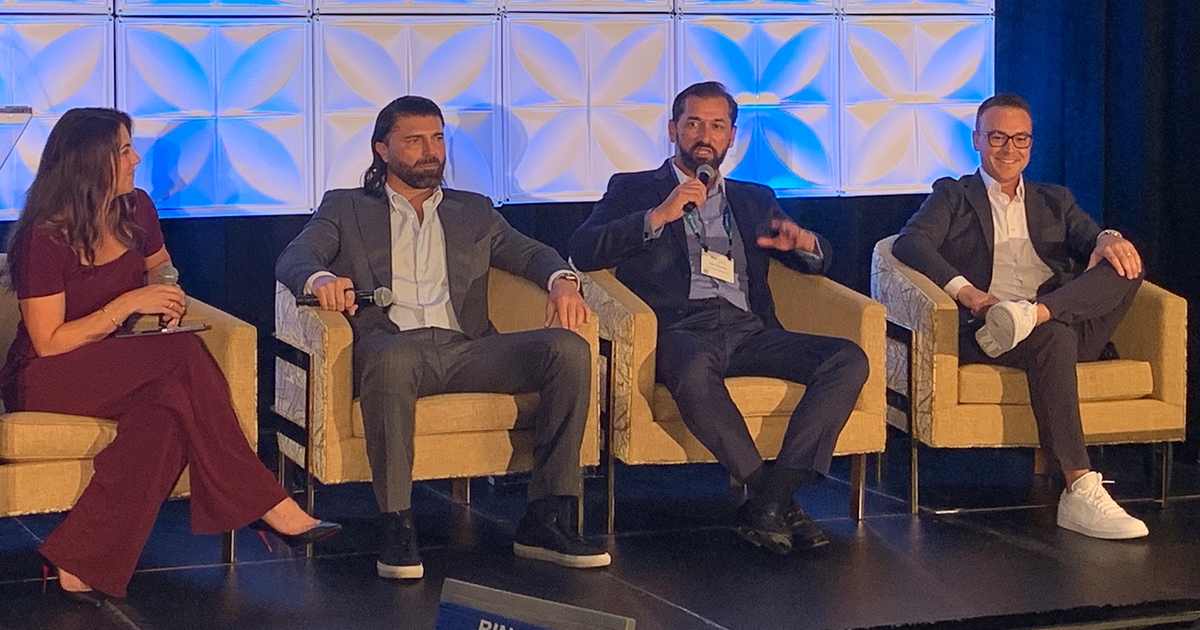
The ability for college athletes to monetize their name, image and likeness has created opportunities for financial advisors, but also comes with challenges that require dedicated time for the relationships to work, according to a panel of advisors working in the space who spoke at RIA Edge Los Angeles.
“Athletes, I would say, take 10 times the work of a normal client,” Allen Schreiber, partner, TSG Wealth Management, told an audience of advisors. “Most NIL clients that come to us, unfortunately, come a little late. They got a million bucks in the bank, but they got the letter from the IRS saying, ‘Hey, you owe 400 grand, and that’s a tough conversation to have.”
Schreiber and the other panelists emphasized the importance of being present for both current athlete clients and to attract future clients. They also discussed the importance of education for athletes receiving large paychecks at a young age.
The NCAA changed rules in 2021 to allow college athletes to monetize their brand and profit from endorsements, subscriptions and licensing deals. More recently, a federal judge signed off on a $2.8 billion lawsuit settlement that, among other changes, allows schools to pay student athletes directly in addition to traditional tuition scholarships, including a share of revenue earned by the schools’ athletic departments.
Reza Zamani, founding partner and CEO of SteelPeak Wealth, said those changes have a dramatic impact on athletes’ financial situations and their need for education and guidance.
“For us, it was less about risk tolerance and asset allocation and a financial plan, and more about just teaching them the difference between literally what a stock is and a bond is, and also understanding how taxes work and things of that sort, where we can navigate them,” he said.
Zamani and the other panelists said family and friends can be the first challenges that financial advisors should help with in situations of fast wealth—or perceived fast wealth.
“Sometimes their worst enemies are parents,” Zamani said. “In a lot of cases, the athlete clients we deal with have aunts, cousins and uncles that come out of everywhere wanting to have a piece of things. So, asset protection and bringing them through the process with as much education is important. Educate, educate, educate.”
Joseph Cooper, senior wealth advisor and director of MAI Capital Management, said when they start working with athlete clients, they hand them “a stack of business cards” with their information on them for the athletes to give to people asking for things.
“We say, ‘Hey, look, you’re going to be hit over the head by friends, family, and they’re going to ask you to borrow money, they’re going to ask you to fund their business, they’re going to ask you to get them out of debt, and you may feel pressure or obliged to do so,’” he said. “What we encourage them to do when we hand them the stack of business cards is to say, ‘I have a team that handles this for me. I want to help you out, but please call my [financial advisor].’”
Cooper said that when clients start, MAI will set up various accounts for them, designated for spending, short-term savings, and long-term savings.
“We will nickname the accounts—that’s your tax money. It’s not touchable. It’s going to be the money market account,” he said. “Then this account over here is the 10-plus year plan. You’re not touching this one either for 10 years. We’re literally nicknaming it at the custodian, and this account here is some money that can be spent.”
Zamani said that working with athletes is similar to having a family office model, with a single point of contact that can address various needs.
“They don’t want to work with seven different, eight different people,” he said. “Because we’ve set it up as a family office type of structure, we have the advantage of coming in and we actually lead with tax, so even though I have come from 27 years of investment wealth management, it’s my tax team that comes into these meetings first … then we move into the other segments about financial planning.”
When athletes see big contracts, Schreiber said the firm tells clients to think about themselves as the executives of a firm that needs to be managed.
“If they sign a $50 million deal, or a $100 million deal, we really get them to think about having a business,” he said. “Who else is on your leadership team? We want to be your CFO, right? And let us educate you, your family and anyone else you think should be in every review.”
Schreiber said it may take three, four or five meetings to reach a good place, but it is “rewarding” when athletes create sound financial plans that will last them well into the future.
Cooper agreed, saying that ultimately, the extra work it takes to serve the athlete community is worthwhile, including the organic growth that comes with being part of the network.
“It’s a lot of work, but I’ll tell you what—it pays off in spades,” he said. “There’s a certain level of attraction when you start dealing with athletes and entertainment. And it, for sure, has led to tons of civilian business.”