
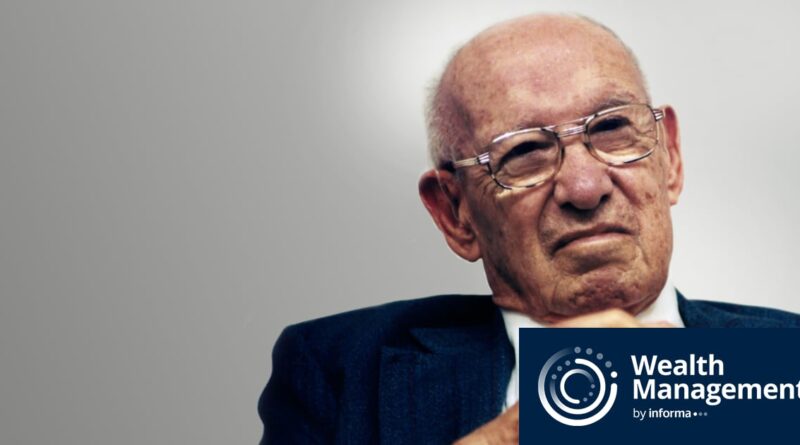
Peter Drucker’s Timeless Advice for COOs
As consolidation reshapes the RIA industry into ever-larger firms, the operational challenges they face have grown dramatically more complex. Some firms are content to simply manage more assets and clients each year. Others are building the operational infrastructure to actually keep pace with that growth. For COOs, the tension is constant: keep things running smoothly today while making decisions that position the firm for where it needs to be in five years.
Peter Drucker, often called the “Father of Modern Management,” made an important distinction that speaks directly to today’s RIA COO when he said: “Management is doing things right; leadership is doing the right things.” That simple quote perfectly sums up the daily balancing act for COOs who must deliver operational efficiency and strategic vision simultaneously. How well they manage that balance shapes not only their own career trajectory, but their firm’s ability to grow sustainably and serve clients well.
So what does this look like in practice? Management means nailing the processes: executing daily tasks with accuracy and consistency. Leadership means stepping up to set direction, making decisions that reflect the firm’s values, and keeping the organization pointed at the right goals. For COOs, running a tight ship is table stakes. The real differentiator is the ability to look ahead, spot trends early, champion new ideas, and ensure every operational initiative serves the firm’s broader mission.
Few C-suite roles require as broad a skillset as that of the COO. Unlike other executive positions, COOs are expected to be involved in all aspects of the business: operations, technology, HR, compliance, finance, and client service. They serve as the bridge between the CEO’s vision and the reality of daily execution, turning strategy into action with both a manager’s eye for detail and a leader’s ability to adapt, innovate, and build long-term value.
Imagine XYZ Advisors, where clients have started complaining about slow service and outdated technology. The firm’s COO, Sally, initially assumed the fix was straightforward: hire more client service staff. But when she dug deeper, a different picture emerged. The real problems stemmed from outdated processes, inconsistent training, and poor technology adoption. Instead of throwing headcount at the problem, Sally invested in better tools and built a culture of accountability. She didn’t just address the complaints; she fundamentally changed how the firm operated. That’s Drucker’s philosophy at work: fixing the process and rethinking the approach (or as he put it, “doing things right and doing the right things”).
Technology implementation is another great example. When an RIA sets out to streamline back-office tasks or upgrade its client onboarding experience, the COO’s job goes well beyond picking the latest tool off Kitces’ technology map. The harder, more important work is making sure those tools actually support the firm’s mission of delivering excellent client service. That means designing smarter workflows so advisors spend less time buried in paperwork and more time building relationships with clients and prospects.
Growth introduces its own set of challenges. Having great processes when you’re a smaller firm is one thing. Maintaining that same level of service as you add clients, staff, and complexity is a different problem entirely. COOs need to build a solid foundation: consistent training, streamlined internal processes, and clear accountability, so the firm can scale without breaking. But building systems alone won’t cut it. You also have to step back regularly and evaluate what’s working and what isn’t. Gather client feedback. Pressure-test your assumptions. Make sure your operations still align with where the firm is headed, not just where it’s been. That discipline of keeping the engine running while adjusting course is what allows RIAs to grow without losing what made them great in the first place.
The most effective COOs are those who can effortlessly navigate the worlds of technology, operations, budgets, and business strategy. They streamline workflows and set the firm’s direction. They keep the trains running on time and decide which tracks to build next. That ability to blend hands-on management with forward-thinking leadership is what lets RIAs adapt to new regulations, embrace emerging technologies, and deliver standout service, even as they scale.
Peter Drucker’s distinction between management and leadership creates a guide for today’s RIA COOs. His words are a reminder to resist the pull of pure execution, and to regularly ask whether you’re focused on the right priorities, not just executing efficiently on the wrong ones. COOs who hold that tension well are the ones who help their firms thrive through industry change, delivering sustainable growth, happy and loyal clients, and an organization built to last.