Wealth Management M&A Evolution Focuses on Culture
M&A continues to reshape the wealth management industry as firms focus on scale, culture and specialization.
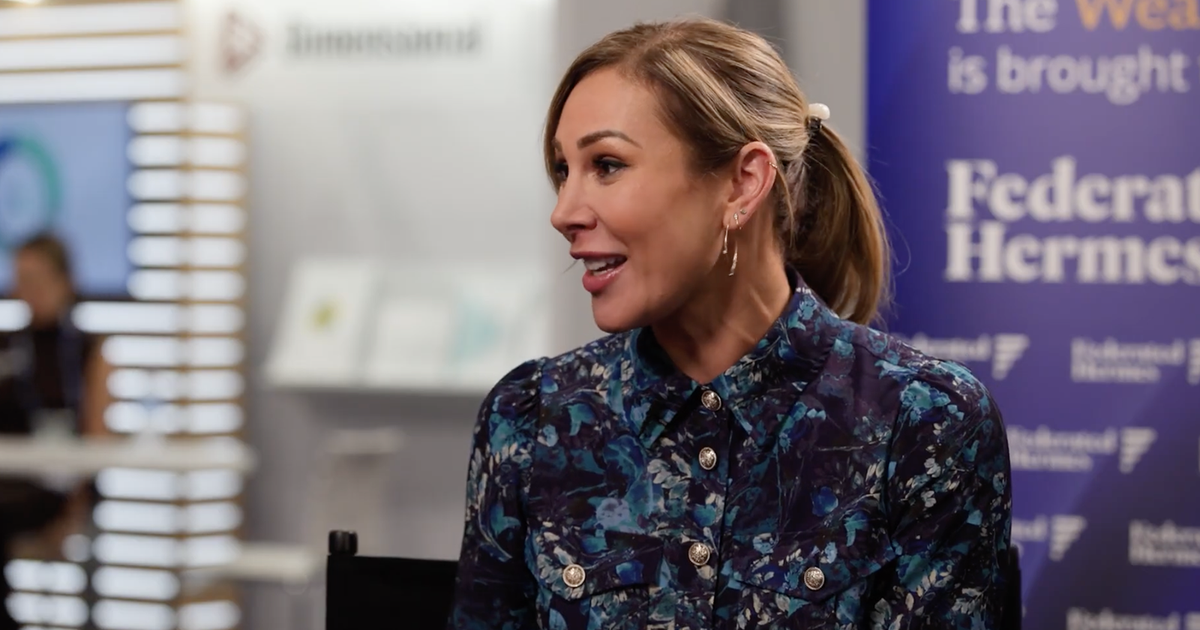
Sara Baker of Allworth Financial joins Shannon Rosic to discuss how successful partnerships are built on honesty, transparency and alignment; why niche strategies will define the next phase of consolidation; and how culture remains the ultimate differentiator in deal success.
Read the full raw transcript below:
Question 1: How are firms approaching M&A today, and what does the next wave of consolidation look like?
Shannon Rosic: How are firms approaching M&A today, and what does the next wave of consolidation look like? I’m joined by none other than Sara Baker of Allworth Financial to learn more. Sara, thank you so much for joining me.
Sara Baker: Yeah, thank you, Shannon. Happy to be here.
Shannon Rosic: So obviously M&A continues to dominate the headlines in our industry and deal activity just has evolved like crazy over the last couple of years. So I’m curious, what shifts are you seeing in how firms approach M&A today and what distinguishes the most successful partnerships?
Sara Baker: Yeah, so it’s a really great question.
I do think that the most successful partnerships are really about finding that fit and solving problems. Every single seller that you’re talking to has a problem that they’re trying to solve. Every single buyer has a problem that they’re trying to solve and really try to take it on a case-by-case basis to figure out are we a match or not and be really disciplined in that process and being honest if it’s not, because this is a pretty small industry and then there are thousands of RIAs by not being honest and having direct conversations and really approaching it as a consultant.
And saying like are we a match or are we not is really important to finding that right partnership, but it’s really about also finding does 1 + 1 equal 3, right? Like are we stronger together than we are apart? I think that’s what’s really happening right now with some of these smaller RIAs as they’re starting to think about AI, meeting additional services. Fee compression is not going down. You’re just expected to deliver more and like how do you continue to grow? It’s really by having scale.
Really is about now conversations I’m finding are about is coming together going to make us stronger than each of us trying to go it alone, even if we’re a lot larger, all of this 35 billion, and maybe a firm we’re talking to is 2 billion, combining forces like we can be so much stronger together. So talking about partnership really comes down to that in my opinion.
Question 2: How important are honesty and transparency in M&A partnerships?
Shannon Rosic: Absolutely. I think honesty and transparency at the end of the day are really the foundation for a successful partnership. So no, and you, and you know pretty quickly, I feel like if something is a right fit, especially culturally.
Sara Baker: You really do.
I mean, honestly, you know, after a first call, I just had a call this morning, and then I just walked, I had a call before this, and night and day difference between both calls where the first call, not so much a cultural fit, really great firm, lots of growth, but you could just tell like the, it just, the thing, I don’t know, the chemistry wasn’t really there. And then the second call, so much chemistry. They’re laughing, we’re laughing. It just was easy to have a conversation and I don’t know why.
That’s there sometimes and why it isn’t, but it is a thing that you have to follow your gut and sometimes it clicks and sometimes you’re like, we’re just culturally not aligned right now and you’re gonna have another call maybe with someone else where it is there and you’ve gotta, you, you’ve gotta be OK that not everyone you talk to is gonna be the right match.
Shannon Rosic: Feels like we’re following the rules of dating a little bit when it comes to the M&As.
Sara Baker: Sometimes, sometimes it does feel like speed dating a bit, especially with the activity with how many firms are raising their hand and saying I want to start having a conversation and are engaging bankers now, so many firms are represented by bankers, and you do sometimes feel like it’s a little bit of speed dating, of having a conversation where you have an hour to meet them and say, OK, was there chemistry? Are we aligned? Do we feel like we’re going to be stronger together or not? And then we’ll continue the conversation.
Question 3: What does cultural alignment look like in practice during M&A evaluations?
Shannon Rosic: So I want to talk about culture a little bit more too, because when you’re going through the process of evaluating potential firms, what does cultural alignment really look like in practice? It’s obviously very easy to talk about it. And how do you actually know when it’s there? Because like, obviously there’s chemistry, but it’s, it’s more than just a feeling.
Sara Baker: That’s right. It’s definitely more than a feeling.
So, I think culture is honestly pretty hard to define. I think everyone really struggles with that. Um, it’s a question I don’t love asking even honestly during calls because people really struggle answering it. But at the end of the day to me, culture is the stories that you tell. So when we’re looking for cultural alignment and we’re thinking about culture, it’s when we’re sitting down with the founder.
And what we’re sitting down with the team, like what kind of stories are coming out? Are they positive? Are they negative? Um, are they looking forward to the future, or are they focused on the past of things that have happened? Um, and if both firms can sit down and you can start talking about what does the future look like together and the stories about, OK, well, my team has accomplished this, but together we can do this, and we’ve got someone really talented on our team and we think they could help here and you start talking about.
That and those stories come to light of what people are capable of and what you want to accomplish. Like, I think that’s a great culture and, and that’s how you know you’re onto something and that you’re actually building really strong culture. So it comes into like what stories come out as you’re having conversations of what you’re trying to build together.
Shannon Rosic: I love that and it’s such an organic process to, to defining culture because like you said, so many people struggle with it. It feels like this great concept, but when you really dig into it, it’s like, Uh, I don’t know. I guess it’s how they make me feel in my time off and things like that, but it goes beyond that. So I love that you kind of distilled it down into storytelling because that’s what it’s all about at the end of the day. Storytelling.
Sara Baker: Everything’s about relationships. It, it really is.
And I think too, from like a cultural perspective, I think the firms that really lean in on the relationships, um, and sitting down and listening to what’s important to those firms, and then knowing your organization well enough of who’s gonna be a potential good partner for them so maybe they can like attach themselves to or that they should talk to, that’s really important. It makes a big difference when you feel like you have, I call it a hero in your corner. That’s not necessarily the right word, but like everyone kind of needs a hero and like and a cheerleader and so the integration team, the M&A team really can be instrumental in identifying that, um, because it doesn’t have to be.
Someone in the M&A team or the integration team, it can be someone else in the organization, just sitting down and identifying that, that can help from an integration perspective and just aligning the cultures. If you’re like, you’d be a really good match, talking to so and so on a weekly basis, we’re going to introduce you and like starting to make introductions between both companies, it, it makes a big difference.
Question 4: How do you see M&A evolving in the RIA space?
Shannon Rosic: Oh, absolutely. So, I actually want to take out the crystal ball here for a second and looking ahead. How do you see M&A evolving in the RIA space? Are we entering a new phase, you know, where scale and specialization or something else will actually define success moving forward?
Sara Baker: I, I do think it’s evolving, and I think some of it too is this industry really started very boutiquey and cottagey. I think that boutique feel is very much there. I think the large firms that preserve the boutique feel are really going to win, but I do think that they’re, um, I think because you need multiple marketing channels to succeed, um, I think that you’re going to start seeing more focus on firms that have developed niches or know how to support niches and drive growth within niches within your firm are really gonna start separating.
I think especially because more and more services are going to be required and AI is going to change planning. So if AI is going to change the way they’re doing data entry and basic planning, and even just the access to information that clients are now gonna have, I think niches are, are what’s going to drive some of our growth and what clients really want. I mean, because at the end of the day when someone hires an advisor, they want to say, I have a problem. Can you help me with your problem? Normally you’re not hiring one until you have a problem. It’s around money. And so someone who’s really an expert in that area and understands that dynamic, I think is really important.
Yeah, I, I think, I think niches are going to be huge in, in the next wave of M&A. Um, and then I also think what’s going to start changing with M&A is like the scale concept of having more services and finding ways to scale. Um, that, that’s the only way to keep growing.
Shannon Rosic: I would have to agree there, and it’s almost like specialized so you can ultimately personalize. Feels like that we’re going in that direction. I love that. Feel free. I came up with that one on the spot, so feel free to take, feel free to take that one. But after hearing you talk about it, that makes so much sense is to really focus on a niche. So again, you can serve those particular clients and just focus on that, then trying to be everything for everyone.
Sara Baker: I mean, I think about like when I, so when I graduated law school, I did not go just like, well, I didn’t want to go out on my own, but I wasn’t like, I’m an attorney. I was, I’m like, I’m a litigator and I’m in commercial litigation in the financial services sector. Like I became highly specialized.
And like doctors, you become specialized when you graduate from medical school, like you’re gonna go and you’re going to pick a niche um and in wealth management, like we’re not, we haven’t done that historically in our industry. You’re just starting to see that take place and that’s really, I think the counters or the, the backbone of professional services is advice. So the advice needs to be specialized and it needs to be expert, it needs to be trustworthy. And, and that’s what’s that’s what’s going to be necessary with AI now, I think.
Shannon Rosic: And I think once firms realize too that that ultimately doesn’t stifle growth, we’ll probably see it take off even more, right?
Sara Baker: Exactly. Well, it will not stifle growth. I think it will accelerate it. Absolutely.
Shannon Rosic: I have to agree there. Well, Sara, it is always a pleasure getting to speak with you. Thank you so much for your insights.
Sara Baker: Thank you so much for having me.
Shannon Rosic: Absolutely. For Wealth Management.com, I’m Shannon Rosic.